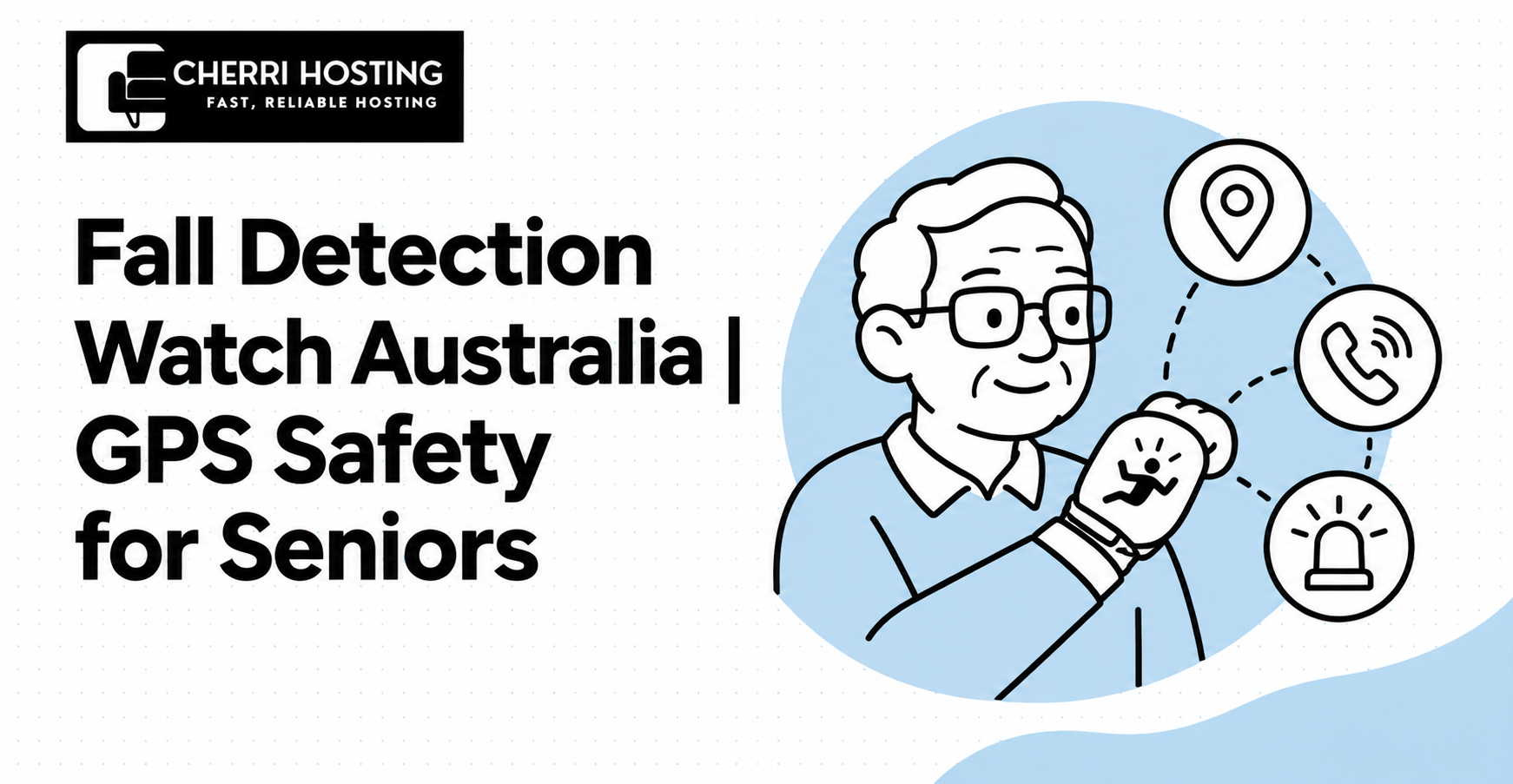
Fall Detection Watch Australia | GPS Safety for Seniors
A fall detection watch can give older Australians a practical way to stay connected while continuing to live independently. Worn on the wrist like an everyday watch, it combines safety features such as automatic fall detection, GPS location tracking, an SOS button and two-way calling in one portable device.
For seniors, people living alone and anyone with mobility or health concerns, quick access to help can provide valuable reassurance. Family members and carers may also feel more confident knowing the wearer has a simple way to contact nominated people at home or while out. However, no wearable can detect every fall or replace professional medical care, so choosing the right device and setting it up correctly are essential.
Stay Independent With Help Close at Hand
Many older adults want to remain active, make their own choices and stay in familiar surroundings. A safety watch can support that independence without requiring the wearer to carry a phone from room to room. Because it stays on the wrist, it can remain accessible during routine activities such as gardening, shopping or walking around the neighbourhood.
The watch is designed to create a direct path to assistance. Depending on the model and service arrangement, an alert may go to family members, carers, nominated contacts or a professional monitoring centre. Some devices place calls in a set sequence until someone answers, while others connect directly to a monitoring team. Understanding this process before buying is just as important as comparing the watch itself.
A personal alert system does not prevent a fall, but it may help the wearer request assistance sooner. The Victorian Government’s Better Health Channel explains that personal alert systems can notify carers, family members, response services or emergency services after an accident such as a fall. This makes a watch one part of a broader safety plan that can also include medical reviews, suitable footwear, home modifications and strength or balance exercises.
Fall Detection Watch Features
The most useful features are the ones that match the wearer’s daily routine, abilities and support network. A long list of functions has little value if the controls are confusing, the speaker is difficult to hear or the watch is uncomfortable enough that it is regularly removed.
Before choosing a model, check how its alerts work, what network it uses, whether it needs a mobile app and what ongoing charges apply. Battery life, charging method, water resistance and support availability can also affect how dependable the watch is in everyday use.
Automatic Fall Alerts
Automatic fall detection generally uses movement sensors and software to identify motion patterns associated with a fall. When the system detects a possible incident, the watch may vibrate, sound an alarm or display a countdown. This gives the wearer an opportunity to cancel a false alert before the device contacts the nominated response network.
Fall detection should always be treated as an additional safety feature rather than a guarantee. Slow slides, soft falls or unusual movements may not produce the pattern required to trigger an alert, while abrupt everyday actions can occasionally create false alarms. The wearer should still use the SOS button whenever possible and call Triple Zero (000) directly in a life-threatening emergency when able to do so.
GPS Location Tracking
GPS can help authorised contacts locate the wearer when an alert is sent outside the home. This can be especially helpful if the person feels disoriented, cannot clearly describe the location or experiences an incident during a walk or trip.
Location accuracy can vary because GPS performance is affected by buildings, indoor environments, network coverage and other technical conditions. Buyers should find out whether the device also uses Wi-Fi positioning or mobile-network data to improve location estimates. It is equally important to understand who can access location information, how long it is stored and how access can be removed.
One-Touch SOS Button
A dedicated SOS button lets the wearer manually request help. It is valuable when assistance is needed for reasons other than a fall, such as sudden illness, dizziness, feeling unsafe or becoming lost. A raised, easy-to-find button may be more practical for someone with reduced vision or limited hand movement than a small touchscreen control.
Ask how long the button must be pressed, whether the watch confirms that the alert has been sent and whether an accidental call can be cancelled. The wearer should practise the process with family or carers so that using the SOS function feels familiar before a real emergency occurs.
Two-Way Voice Calling
A built-in microphone and speaker allow the wearer to speak with a contact through the watch. Direct conversation can help the responder understand what happened, provide reassurance and decide whether a family member, neighbour or emergency service should attend.
Call quality depends on mobile coverage, speaker volume and the surrounding environment. If the wearer has hearing loss, test the watch in realistic conditions rather than relying only on the listed volume setting. It is also worth confirming what happens when the wearer cannot speak and whether the responder will still follow a predefined escalation plan.
Australia-Wide 4G Connectivity
A 4G-enabled watch can operate anywhere it has compatible mobile-network coverage, rather than being limited to the range of a home base station. This makes it suitable for people who go shopping, visit friends, attend appointments or spend time outdoors.
Australia-wide operation does not mean coverage is available in every location. Check the network used by the device in the areas where the wearer lives and travels. Buyers should also confirm whether a SIM is included, which provider supplies it, whether activation is required and whether mobile service fees are included in the purchase price or billed separately.
Choose the Right Fall Detection Device
The best device is not automatically the one with the most features. It is the one the wearer can operate, charge and wear consistently. Comfort, simplicity and a dependable response process often matter more than extra health or lifestyle functions.
Start by identifying who should receive alerts and how they will respond. A family-contact model may suit a household with several reliable relatives nearby. Professional monitoring may be more appropriate when personal contacts are unavailable at certain times or when a structured 24-hour response is preferred.
Compare Comfort, Size and Controls
A watch should feel secure without being tight, heavy or irritating. Consider the case size, strap material, buckle design and overall weight. If the wearer has arthritis, tremors or reduced dexterity, test whether the strap and charger can be managed without assistance.
The display should be easy to read, and the most important controls should not be buried in complicated menus. A simple watch that clearly shows the time, battery level and alert status may be more suitable than a touchscreen crowded with rarely used functions.
Review Battery and Charging Requirements
Battery life affects how often the watch must be removed. A device cannot send an alert while it is flat or sitting on a charger in another room, so the charging routine needs to fit naturally into the wearer’s day.
Compare the advertised battery duration with expected real-world use, as frequent calls, location updates and weak network signals can consume more power. Look for clear low-battery warnings and consider whether family members can receive a battery notification. A magnetic charging dock may be easier to use than a small plug, but it should connect securely and provide an obvious charging confirmation.
Check Water Resistance Carefully
Falls can occur in bathrooms, so water resistance deserves close attention. Terms such as “water-resistant” and “waterproof” are not interchangeable, and the protection level can differ significantly between models.
Check the published ingress-protection rating and the manufacturer’s instructions. Confirm whether the watch is suitable only for splashes and handwashing or can also be worn in the shower. Unless the specifications explicitly permit it, do not assume the device can be submerged or used while swimming.
Understand the Total Cost
The advertised device price may not represent the complete cost of ownership. Possible additional expenses include activation, SIM service, a mobile app, professional monitoring, replacement straps, accessories, repairs and delivery.
Request a clear written breakdown of upfront and ongoing charges. Check the contract term, cancellation process, warranty coverage and return policy as well. If funding through an aged-care or disability-support program may apply, confirm eligibility with the relevant provider before purchasing rather than assuming reimbursement is automatic.
How a Fall Detection Watch Works
During normal use, the watch remains connected to a compatible mobile network and monitors movement when automatic detection is enabled. If its sensors identify a possible fall, the device usually begins an alert sequence. The exact sequence varies, so it should be reviewed and tested during setup.
First, the watch may produce a sound, vibration or on-screen message. If the wearer is unhurt, the alert can often be cancelled. If it is not cancelled, the watch may send a notification with an estimated location and begin calling the selected contacts or monitoring service.
When a responder answers, two-way voice communication can help them assess the situation. If there is no response from the wearer, the contact should follow the agreed emergency plan. That plan might involve calling another nominated person, checking the location information or contacting emergency services when the circumstances indicate urgent help is required.
Regular testing is important. A monthly check can confirm that the watch is charged, mobile service remains active, contact details are current and each recipient knows what to do. Testing should be arranged in advance so that contacts understand it is a drill and unnecessary emergency calls are avoided.
Who Can Benefit From a Fall Detection Watch?
These devices are commonly associated with seniors, but age alone does not determine whether one is useful. The more relevant factors are fall risk, mobility, health conditions, living arrangements, daily activities and access to support.
A watch may be helpful for an older person living alone, someone recovering after surgery, a person with a disability or an individual who has previously fallen. It may also suit people who walk alone, work in isolated locations or want a simple way to contact support without reaching for a phone.
The wearer should be involved in the decision wherever possible. Discuss what the device does, who can see its location and when contacts may be notified. This promotes informed consent and helps prevent the watch from feeling intrusive. For a person with cognitive impairment, seek appropriate professional guidance and involve authorised decision-makers as required.
Why a Wearable Safety Watch Can Support Daily Life
A wrist-worn alert device combines mobility with accessibility. Unlike a fixed home alarm, it can remain with the wearer across different rooms and many outdoor locations. Unlike a phone, it does not have to be taken from a pocket, unlocked or held during a call.
The psychological benefit can also matter. Some people reduce activities after a fall because they are afraid of another incident. A watch cannot remove the underlying risk, but knowing there is a straightforward way to request assistance may help the wearer feel more confident about maintaining a safe routine.
That confidence should be supported by sensible precautions. Keep walking areas clear, improve lighting, install rails where appropriate and arrange professional reviews of medicines, vision, footwear and mobility when needed. Safety technology is most effective when combined with prevention and a response plan everyone understands.
Frequently Asked Questions
Choosing a medical alert watch often raises practical questions about accuracy, connectivity and everyday use. The answers below explain the main points to verify before purchase, but individual product specifications and service terms should always take priority.
Can a Fall Detection Watch Detect Every Fall?
No. Wearable detection systems use sensor data and programmed thresholds, so some falls may not trigger an automatic alert. False alarms can also occur. The wearer should press the SOS button when assistance is needed and able to do so, even if the watch has not generated an automatic notification.
Does the Watch Call Emergency Services Automatically?
Not necessarily. Some models contact family or friends, while others connect to a professional monitoring service. A device may call emergency services only under specific circumstances or after a responder assesses the alert. Confirm the complete escalation process, including what happens if nobody answers.
Does a Fall Detection Watch Need a Mobile Phone?
Some watches operate independently with their own SIM and mobile connection, while others rely on a paired smartphone or app. Check whether the wearer needs to keep a phone nearby and whether the setup is compatible with the household’s existing devices.
Can the Watch Be Used Away From Home?
A cellular model with active service can generally work away from home wherever it receives compatible network coverage. GPS may provide an estimated location during an alert, but accuracy and connectivity can vary. Fixed-base systems may work only within a limited distance of their home unit.
How Often Should the Watch Be Tested?
A planned test about once a month is a practical starting point unless the provider recommends another schedule. Test the SOS button, calling function, speaker, microphone, location sharing and alert recipients. Contact details and the response plan should also be reviewed after any change in carers, family availability or living arrangements.
Is Health Monitoring the Same as Medical Diagnosis?
No. Consumer features such as heart-rate, blood-pressure or oxygen estimates may be useful for general awareness, but they should not be assumed to provide clinical-grade measurements. Follow the product’s stated intended use, and seek advice from a qualified health professional about symptoms, diagnosis or treatment decisions.
Conclusion
A fall detection watch can support independence by keeping an SOS button, two-way calling and location assistance close at hand. The right choice depends on more than appearance or price: it should be comfortable, easy to operate, compatible with local mobile coverage and backed by a clear response process.
Before purchasing, compare alert recipients, ongoing costs, battery life, charging, water resistance, location privacy and service support. Most importantly, remember that automatic detection cannot identify every incident. Combine the watch with fall-prevention measures, regular testing and an agreed emergency plan to create a more reliable approach to personal safety.